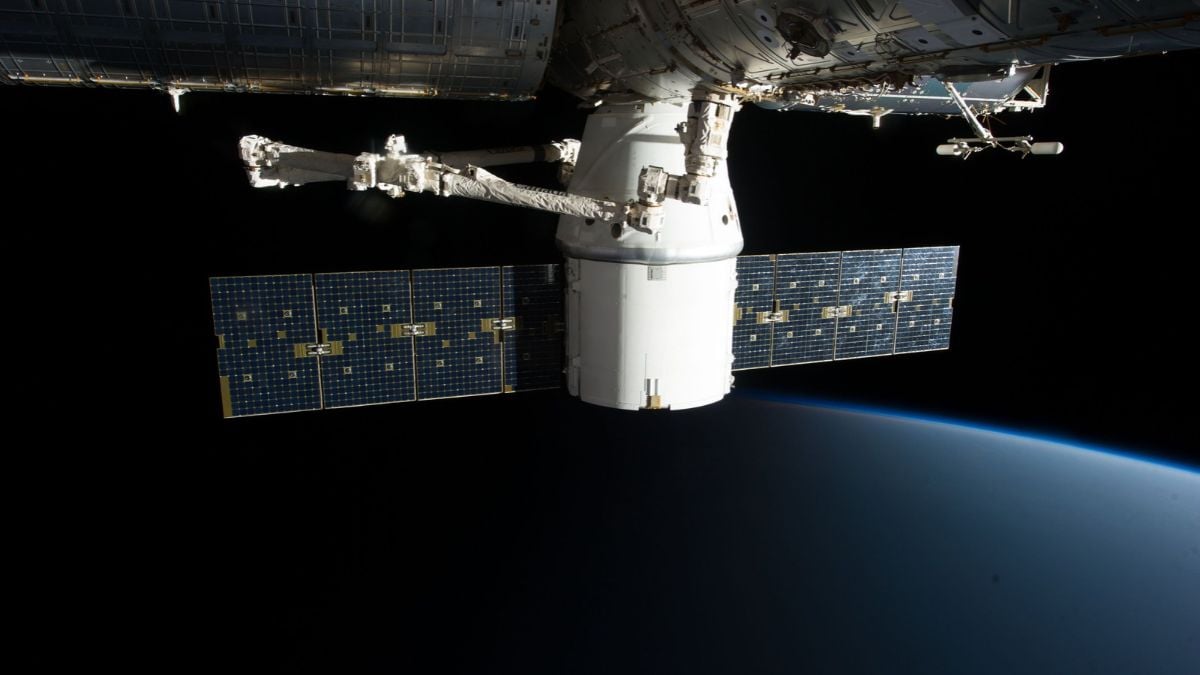
Explore News by Category
Ancient Mars was wetter than thought, meteorite study reveals
Scientists analyzing a 4.1‑billion‑year‑old meteorite discovered in 2022 in the Sahara desert near the village of Bir Chali have uncovered evidence that ancient Mars was significantly wetter than previously believed. The rock’s mineralogical and structural features point to prolonged interaction with liquid water on early Mars, revising prior models of the planet’s climate. The findings stem from detailed laboratory examinations of the meteorite, which originated from Mars and provides a rare glimpse into its distant past.

NASA telescope is on the verge of plunging back to Earth after failed rescue mission
An aging NASA space telescope, the Swift Observatory, has been left drifting lower after a rescue operation failed. The U.S. Space Force now warns the instrument is barely holding its orbit and is expected to re‑enter the atmosphere and impact Earth on or around Friday. The incident follows attempts to salvage the observatory, which has been operating for years. Officials highlighted the telescope’s deteriorating condition and the imminent risk of it crashing back to the surface.
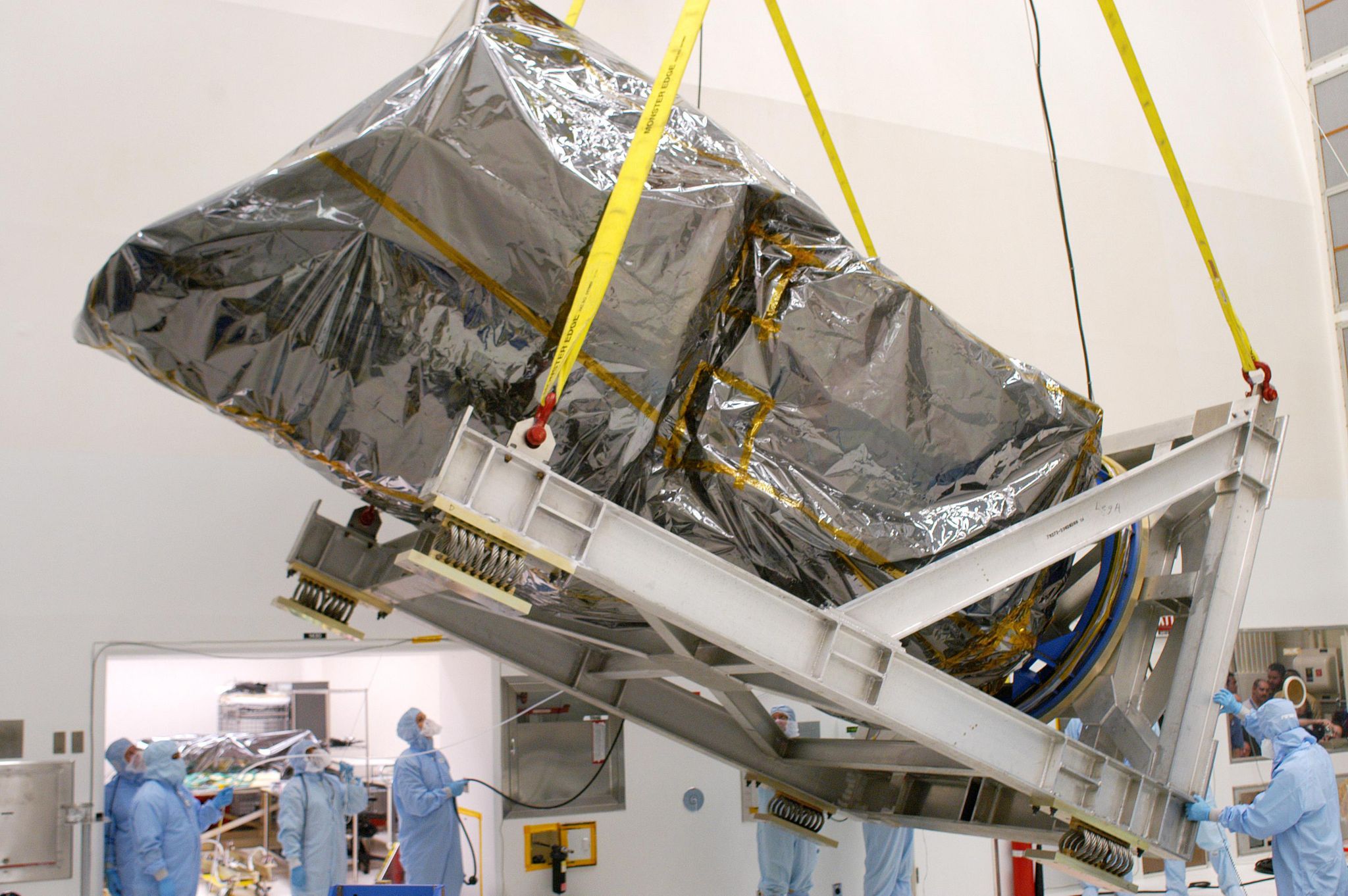
Analysts find looming launch crisis is "more severe" than anticipated
Analysts at Quilty Space released a report warning that the upcoming launch shortfall is more serious than earlier estimates. The study finds that, apart from China, the global aerospace sector will lack enough rockets to meet demand through 2030, with an anticipated deficit of roughly 150 launches. The firm also notes there is no indication that SpaceX’s Starship will be used for conventional satellite missions, underscoring the depth of the capacity gap.
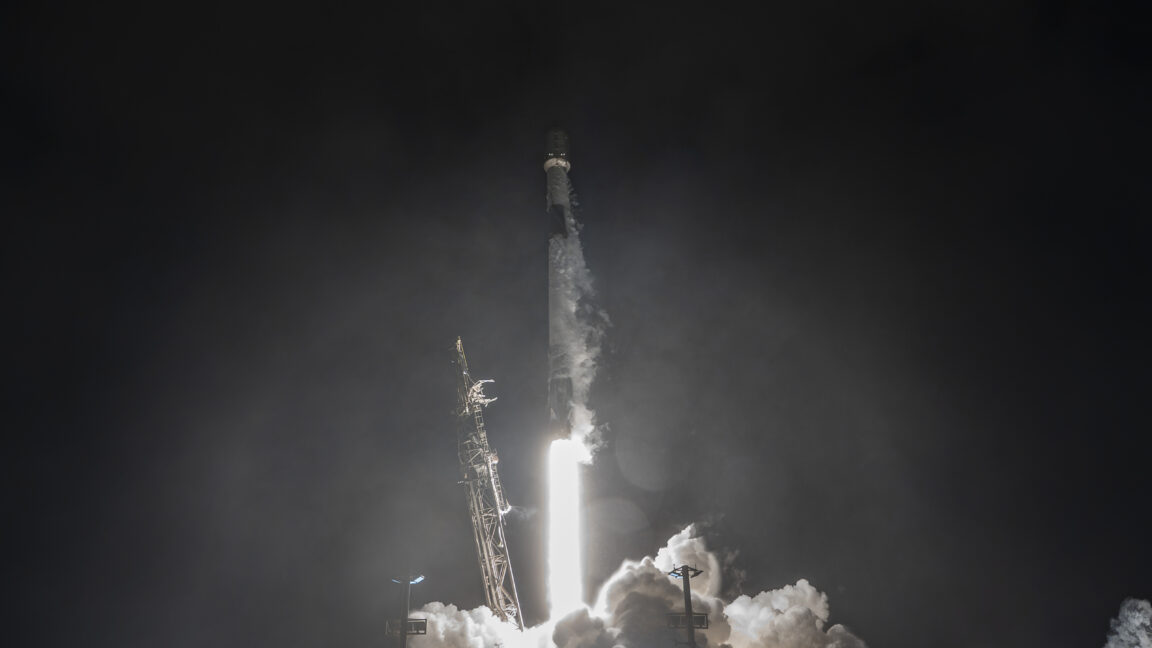
From Bellville South to black holes: How Nicole Thomas found her place among the stars
Astrophysicist Dr Nicole Thomas, a native of South Africa's Cape Flats, progressed from Kasselsvlei High School and the University of the Western Cape to a career studying supermassive black holes and galaxy evolution. Her work has taken her to international forums such as the 2019 Lindau Nobel Meeting in Germany. Thomas now leads research on how massive black holes influence the growth of galaxies and uses her platform to motivate young South Africans to pursue scientific studies.

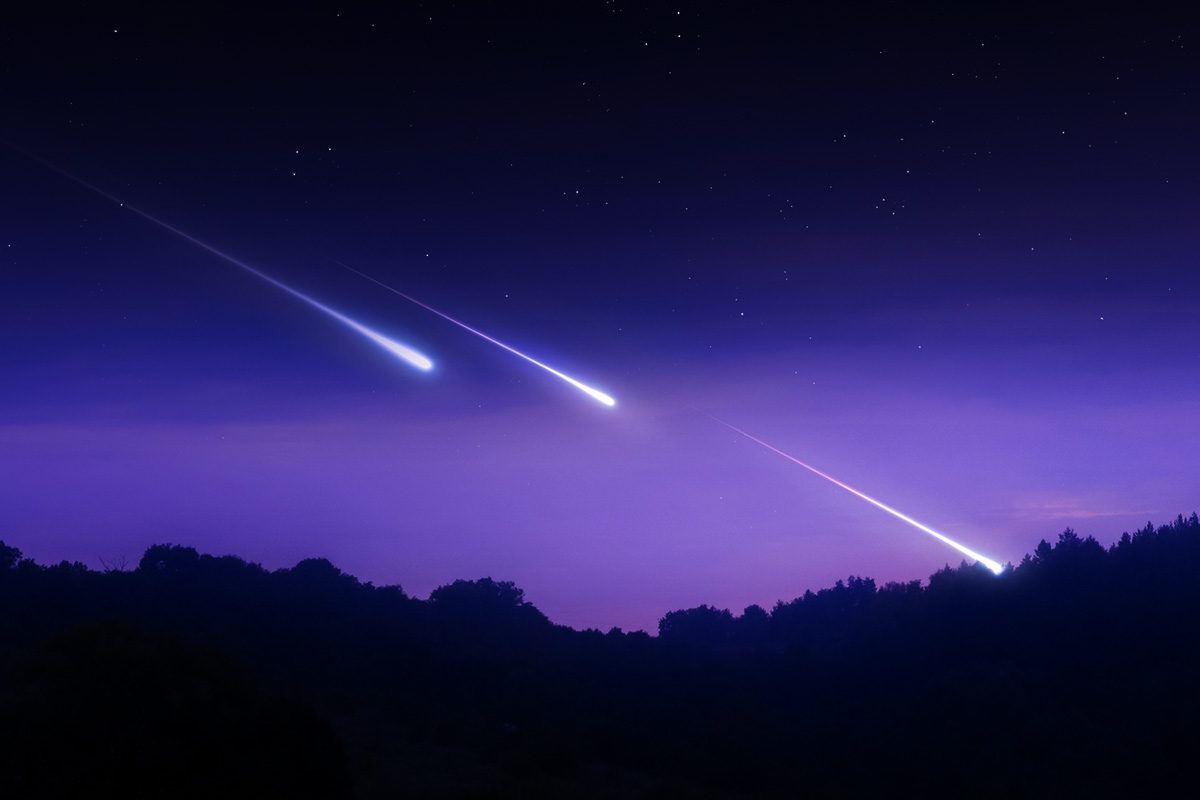
Rare Halloween Fireballs will be visible in the night sky this weekend. Here’s where to look and when
A rare display of Halloween fireballs is expected to light up the night sky this weekend as the Taurid meteor shower reaches peak activity. The annual Taurids, which are currently active, can generate bright, colorful fireballs that are visible to observers after dark. Enthusiasts and casual sky‑watchers are encouraged to look upward during the weekend leading up to Halloween to catch the phenomenon, which occurs as Earth passes through denser debris streams left by comet 2P/Encke.
Massive new 'dwarf planet found' in solar system as surprising reason why it has only been found now revealed
Astronomers have announced the discovery of a new possible dwarf planet in the solar system, estimated to be between 370 and 930 miles (600–1,500 km) in diameter. The object's size would place it among the largest known dwarf planets. Researchers also disclosed an unexpected factor that explains why the body was only identified now, though details of that factor were not provided in the announcement. The finding adds a substantial new member to the catalog of distant solar‑system objects and may prompt further searches for similar bodies.

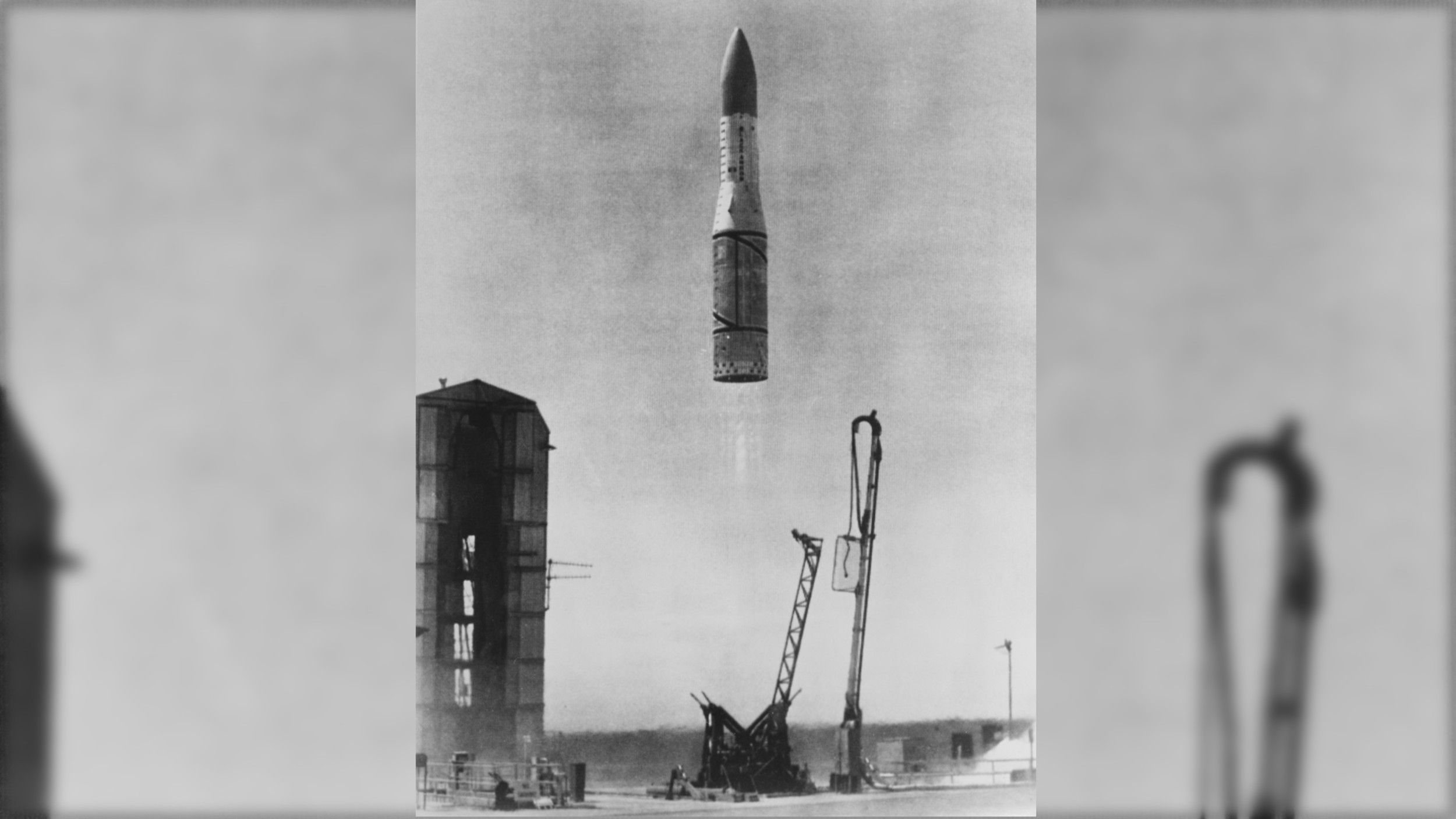
On this day in space! Oct. 28, 1971: Britain launches its 1st satellite Prospero into space on a Black Arrow rocket
On 28 October 1971 the United Kingdom placed its first domestically launched satellite, Prospero (also known as X‑3), into orbit using the Black Arrow launch vehicle. The mission, carried out by the British space programme, was the sole successful orbital launch from a UK‑built rocket, despite earlier attempts to field a national satellite capability. Prospero’s deployment from the Black Arrow marked a historic milestone for British aerospace, demonstrating the country’s ability to design, build and launch its own spacecraft during the Cold War era.
Webb telescope finds something unusual about interstellar comet's ice
A team from the Southwest Research Institute used NASA's James Webb Space Telescope to observe interstellar comet 3I/ATLAS on three occasions between August 2025 and April 202?. The observations revealed that the comet's ice is unusually dusty, resembling the surface material of distant, freezing worlds located beyond Neptune in our own solar system. This finding highlights an unexpected similarity between the comet's composition and that of remote Solar System objects, offering new clues about the nature of material exchanged between star systems.

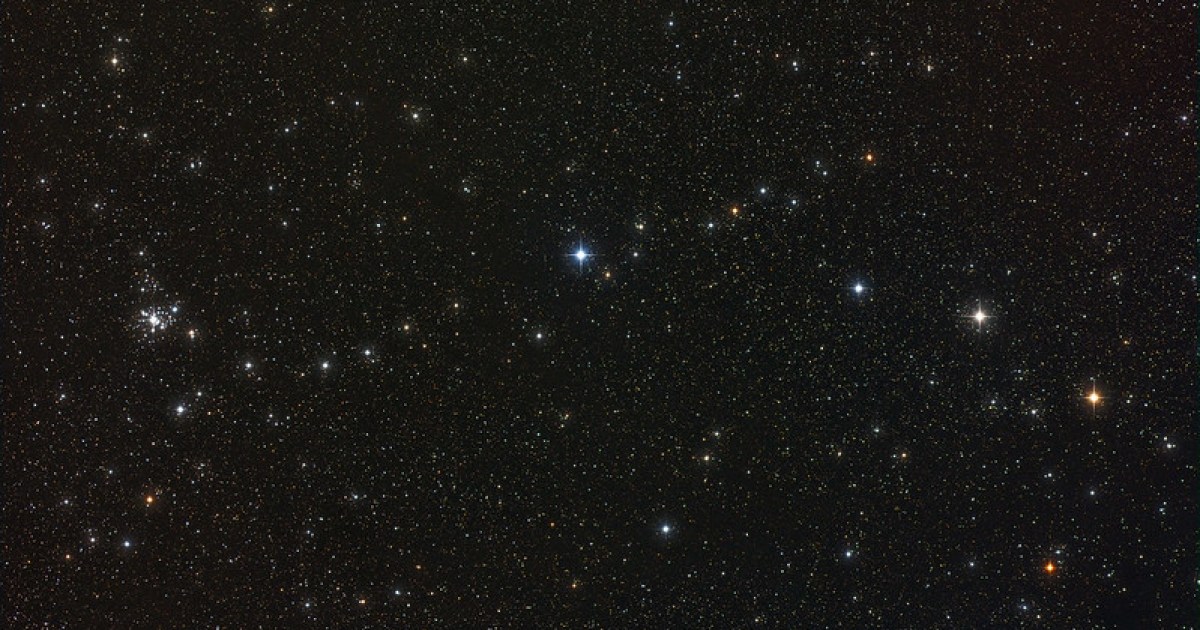
The Sky Today on Tuesday, October 27: Follow Kemble’s Cascade
On Tuesday, October 27, skywatchers are encouraged to locate Kemble’s Cascade, a linear arrangement of stars that appears to flow like a waterfall and terminates in the open cluster NGC 1502. The guide notes that the bright Hunter’s Moon, which rose on October 26, will illuminate the sky but still allows the cascade and certain deep‑sky objects to be seen. The recommendation is part of the regular “Sky This Week” column, aimed at helping observers identify celestial features despite the moon’s glare.
NASA Swift observatory ends mission tracking cosmic explosions
NASA’s Neil Gehrels Swift Observatory, originally launched in 2004 as a two‑year mission to monitor cosmic explosions, completed its final set of observations on 20 October. After operating for more than two decades—far beyond its planned lifespan—the satellite is slated to re‑enter Earth’s atmosphere within a few weeks. The observatory’s extended service period has allowed it to continue gathering data on high‑energy astronomical events well past its initial expectations.